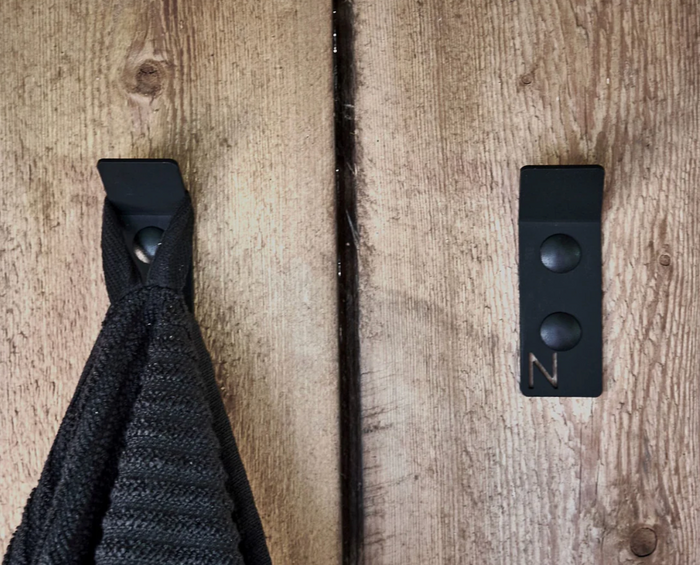
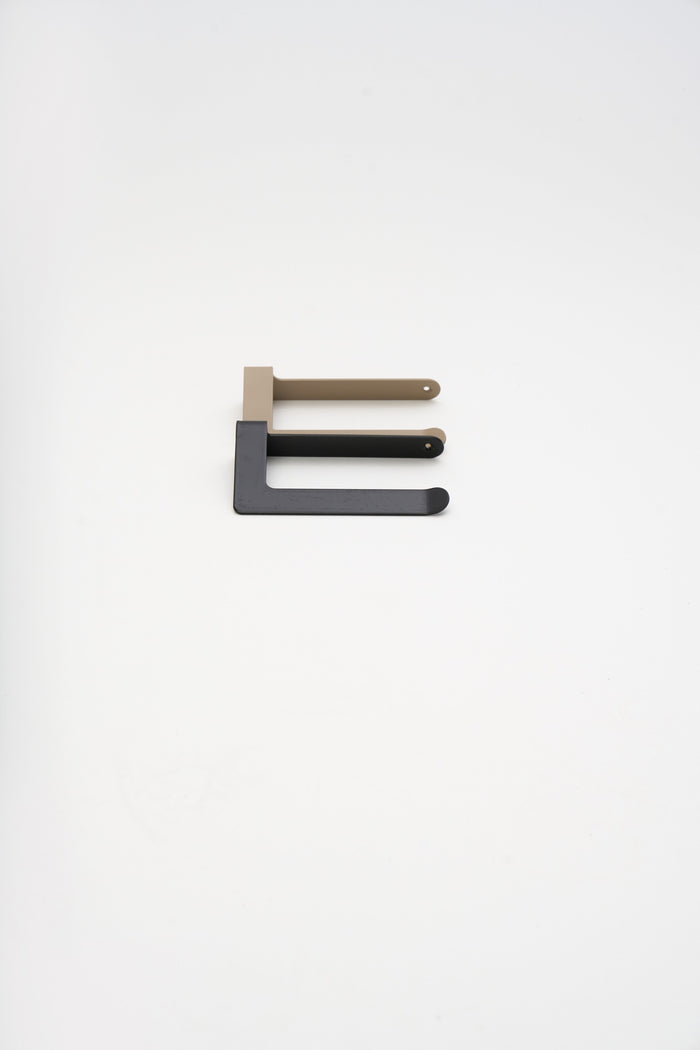
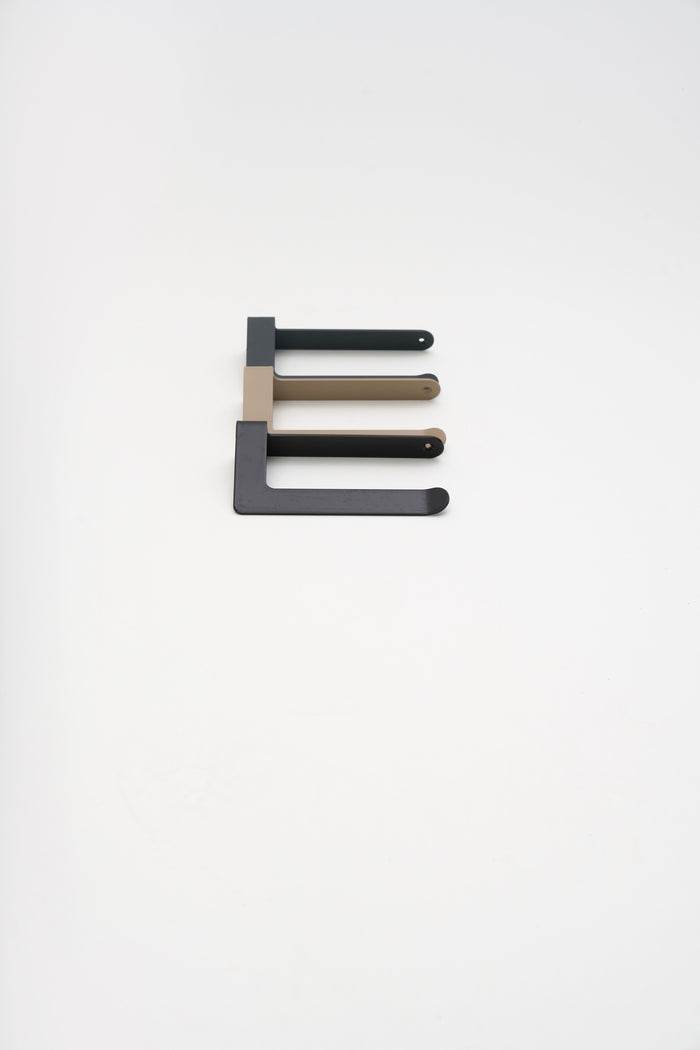
TL;DR: Clean powder coated steel with warm water, a drop of mild dish soap, and a soft cloth, then wipe it dry. That is the whole routine. Never use abrasive pads, scouring powder, or solvent cleaners; they scratch or soften the coating and open the door to corrosion. Done twice a month in a bathroom, a powder coated finish stays even for years.
Powder coat needs less care than almost any surface in the house, which is exactly why people overdo it. One aggressive cleaning with the wrong sponge does more harm than a year of neglect. Here is the short version of doing it right, from the workshop that bakes the finish on.
The routine that works
Warm water, a little mild dish soap, a soft cloth or sponge. Wipe the piece, rinse the cloth, wipe again with clean water, then dry it with a towel so hard water minerals do not sit on the surface. Drying matters more than people think: water spots are not damage, but in a hard water area they build a film that dulls the shade over months.

What never touches the finish
Abrasives. Scouring powder, magic erasers, steel wool, and the green side of the kitchen sponge all leave micro scratches. On the smooth matte shades, Chalk and Linen, they show as dull patches; on any shade they thin the protective skin.
Solvents. Acetone, thinners, and aggressive bathroom sprays can soften or stain the polymer. If a label says it strips grease from an oven, keep it away from powder coat.
Vinegar left to sit. A quick wipe with diluted vinegar for limescale is survivable, but do not let acid pool on the coating. Rinse and dry straight after.
Bathroom and kitchen habits
Wet rooms are where ATYP pieces live, and two habits keep them effortless there. First, wipe standing water off horizontal surfaces like the tray of a METI shelf or a TUSCANY towel shelf when you see it pooling; the drainage slots do most of this for you. Second, keep pieces out of the direct shower jet. In the kitchen, grease film comes off with the same soap and water; it just needs the second clean-water pass so the residue does not smear.

Structure finishes hide, matte finishes show
The three structure shades, Slate, Umber, and Graphite, carry a fine grain that masks fingerprints and fine wear, so they tolerate busy hallways and daily handling gracefully. Chalk and Linen are smooth matte and show marks sooner, but they also wipe clean faster. Neither needs polish, wax, or oil. A powder coated surface is sealed already; product layered on top just attracts dust.
Scratches and chips, honestly
A deep scratch through to bare steel is rare indoors but not impossible. If it happens, do not sand it. Clean it, dry it, and cover the exposed metal; a touch-up from a matching RAL paint stick keeps moisture out and is invisible from a step away. If a finish flakes, peels, or fades on its own under normal use, that is not a care problem, that is a coating fault, and the two-year guarantee covers it. Write to us through the contact page before reaching for any repair.
FAQ
What is the safest cleaner for powder coated steel?
Warm water with a drop of mild dish soap on a soft cloth, followed by a clean water wipe and a dry towel. Nothing stronger is needed indoors.
Can I use limescale remover on powder coat?
Briefly and diluted, yes, but never let acid sit on the surface. Rinse and dry immediately afterwards.
How often should I clean steel bathroom hardware?
A wipe every week or two keeps water film from building. The finish itself does not demand a schedule; hard water does.
Written by ATYP for ATYP, custom metal furniture made in Slovakia.
Design your own